For many people, starting therapy comes with a quiet expectation: relief should feel immediate. You talk, you feel better, and things start to make sense.
But that is not always how it begins.
If you have ever found yourself thinking “is therapy supposed to be hard?” you are not alone. In fact, discomfort is often part of the counselling process. It does not mean something is wrong. More often, it means something important is happening.
At Stone Silo Counselling & Wellness, we often remind clients that growth and discomfort tend to show up together. Therapy is not about avoiding difficult feelings. It is about learning how to move through them safely, with support, and at your own pace .
🌱 Why Starting Therapy Can Feel Exposing
Therapy asks you to do something most of us are not used to doing in everyday life.
It asks you to slow down and look inward.
That can feel unfamiliar. Sometimes even uncomfortable.
You might notice:
- Talking about things you have avoided for years
- Feeling unsure how much to share
- Worrying about being judged
- Sitting with emotions instead of pushing them away
Even in a safe and non-judgmental space, opening up takes energy. At Stone Silo, creating that sense of safety is a core part of the process, but vulnerability still takes time to build .
⚖️ The Difference Between Discomfort and Harm
Not all discomfort is the same.
There is a meaningful difference between:
- Growth discomfort: Challenging, emotional, but ultimately helpful
- Harmful distress: Overwhelming, unsafe, or unsupported
Growth discomfort might feel like:
- Emotional intensity during or after sessions
- Thinking more deeply about your patterns
- Feeling “stirred up” after talking
Harmful distress, on the other hand, might feel like:
- Feeling unsafe or judged
- Being pushed too far, too fast
- Leaving sessions feeling consistently destabilized
A good therapeutic relationship balances challenge with safety. If something feels off, that is not something to ignore. It is something to talk about.
🌧️ Why Therapy Can Feel Worse Before It Feels Better
One of the most common concerns is this: “Why do I feel worse after therapy sometimes?”
The short answer is this: therapy brings things to the surface.
Emotions that were pushed down or avoided do not disappear. They stay in the background. When therapy begins, those emotions often come forward.
That can look like:
- Crying more than usual
- Feeling emotionally tired after sessions
- Becoming more aware of patterns that were once automatic
This is often part of why therapy feels worse before better. You are not creating new problems. You are becoming aware of what was already there.
And awareness is the first step toward change.
🌊 What Growth Discomfort Feels Like
Growth discomfort is not always obvious. It can be subtle and easy to misinterpret.
Here is what it often feels like:
- Emotional waves that come and go
- A mix of relief and heaviness at the same time
- Moments of clarity followed by doubt
- Feeling tired after meaningful conversations
- Noticing patterns you cannot “unsee” anymore
This can feel unsettling. But it is also a sign that your mind is processing something new.
⏳ How Progress Actually Looks
Therapy progress is rarely linear.
It is not:
- Session 1: talk
- Session 2: feel better
- Session 3: problem solved
Instead, it often looks like:
- Feeling better, then stuck, then better again
- Small shifts in how you respond to situations
- Catching patterns you used to miss
- Learning tools that take time to apply
Short-term vs Long-term Expectations
Short-term (first few sessions):
- Building trust with your therapist
- Understanding your patterns
- Increased emotional awareness
- Possible discomfort or emotional fatigue
Long-term (weeks to months):
- Better emotional regulation
- Clearer boundaries
- More self-understanding
- Sustainable change in behaviour and thinking
Healing is less about quick relief and more about lasting change.
💬 When to Talk to Your Therapist About Concerns
If you are wondering “does discomfort mean therapy isn’t working?”, the best step is simple:
Talk about it.
Bring it into the session.
You can say things like:
- “I’ve been feeling worse after sessions”
- “I’m not sure if this is helping yet”
- “This feels harder than I expected”
Therapy is collaborative. Your therapist is there to adjust the pace, explore what is coming up, and help you feel supported through it.
At Stone Silo, therapy is personalized. There is no one-size-fits-all approach, and your experience matters in shaping the process .
❓ Frequently Asked Questions
Mental Wellness
Mental health and wellness are integral aspects of overall well-being. They influence how we think, feel, and act in daily life. Understanding mental health means recognizing the connection between emotional, psychological, and social factors. It is not just about the absence of illness, but about balance, resilience, and the ability to navigate life’s challenges.
Is therapy supposed to be hard?
Sometimes, yes. Therapy can feel challenging because you are working through real experiences and emotions. That said, it should still feel safe and supportive.
Is it normal to cry in therapy?
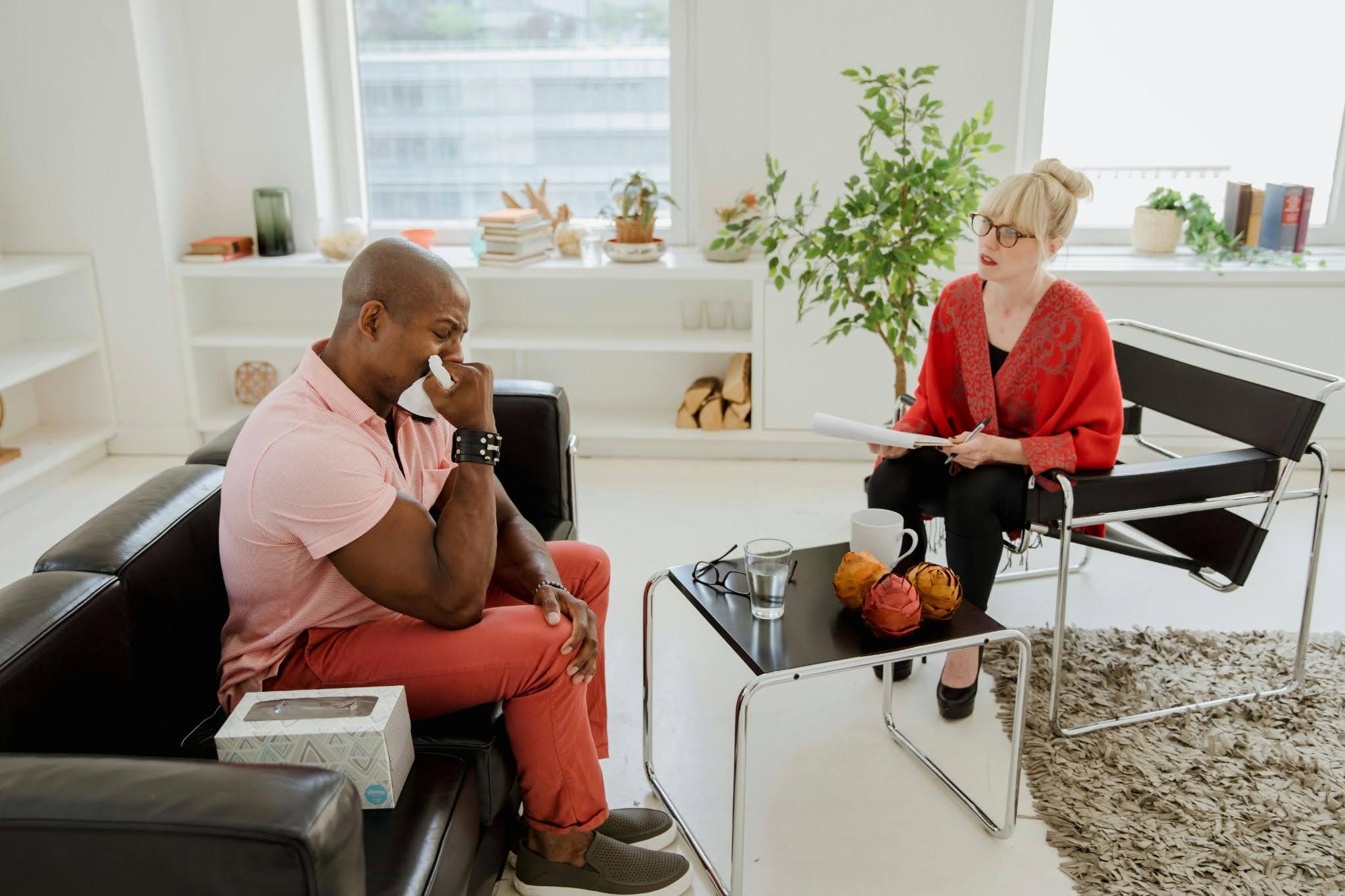
Yes. Crying is a natural emotional response. It often means something important is being processed.
Why does talking about things make them feel stronger?
Talking brings awareness to emotions that may have been suppressed. They can feel stronger at first because you are finally noticing them, not because they are getting worse.
How long does it take to feel better?
It depends on the person and the goals. Some people notice small shifts within a few sessions, while deeper, lasting change often takes more time.
Does feeling worse mean therapy is not working?
Not necessarily. Feeling worse can be part of the process, especially early on. If it continues or feels overwhelming, it is important to talk to your therapist.
💛 Final Thoughts
Therapy is not always comfortable, especially at the beginning.
But discomfort does not mean failure. It often means you are doing meaningful work.
At Stone Silo Counselling & Wellness, the goal is not to rush you through the process. It is to support you in moving through it safely, at a pace that feels right for you, with care, compassion, and respect for your experience .
If therapy feels hard right now, that does not mean you are doing it wrong.
It might mean you have started something important.